PALF
Brand Vision & Positioning
PALF™is the "Sustainable Material Business" unit under UKL Enterprise Co., Ltd. Its core vision is to "Be the best company for the world" and to lead the way in global circular agriculture.
Core Business & Circular Framework
International Certifications & Awards
PALF™ products have obtained the ISO 14067:2018 Carbon Footprint Certification and the USDA BioPreferred Certification. Moreover, the brand has won numerous prestigious awards in design and sustainability, including the 2024 iF Design Award (Germany), DFA Design for Asia Awards, TSAA Taiwan Sustainability Action Awards (Gold), and the UN SDG SiAC Award.
Zero Waste & Full-Plant Utilization
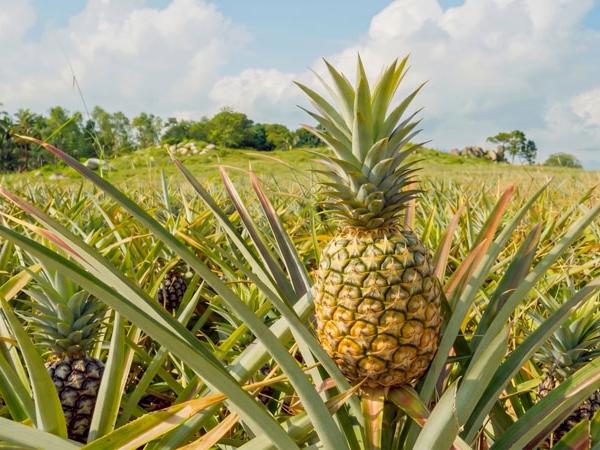
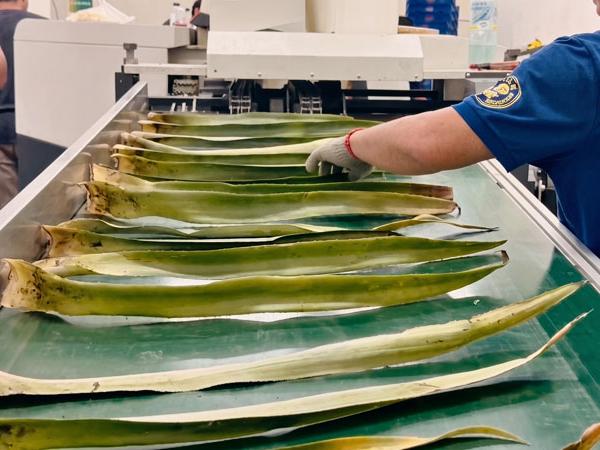
PALF™ maximizes the value of agricultural materials that would otherwise be discarded. From the physical composition of pineapple leaves, after extracting 5% fiber, the remaining 70% water and 25% bio-mass (pectin and residue) are fully recycled. This bio-mass can be upcycled into edible enzymes, paper, animal feed, additives, detergents, plastic masterbatches, and biochar.
Global Leading Product Advantages
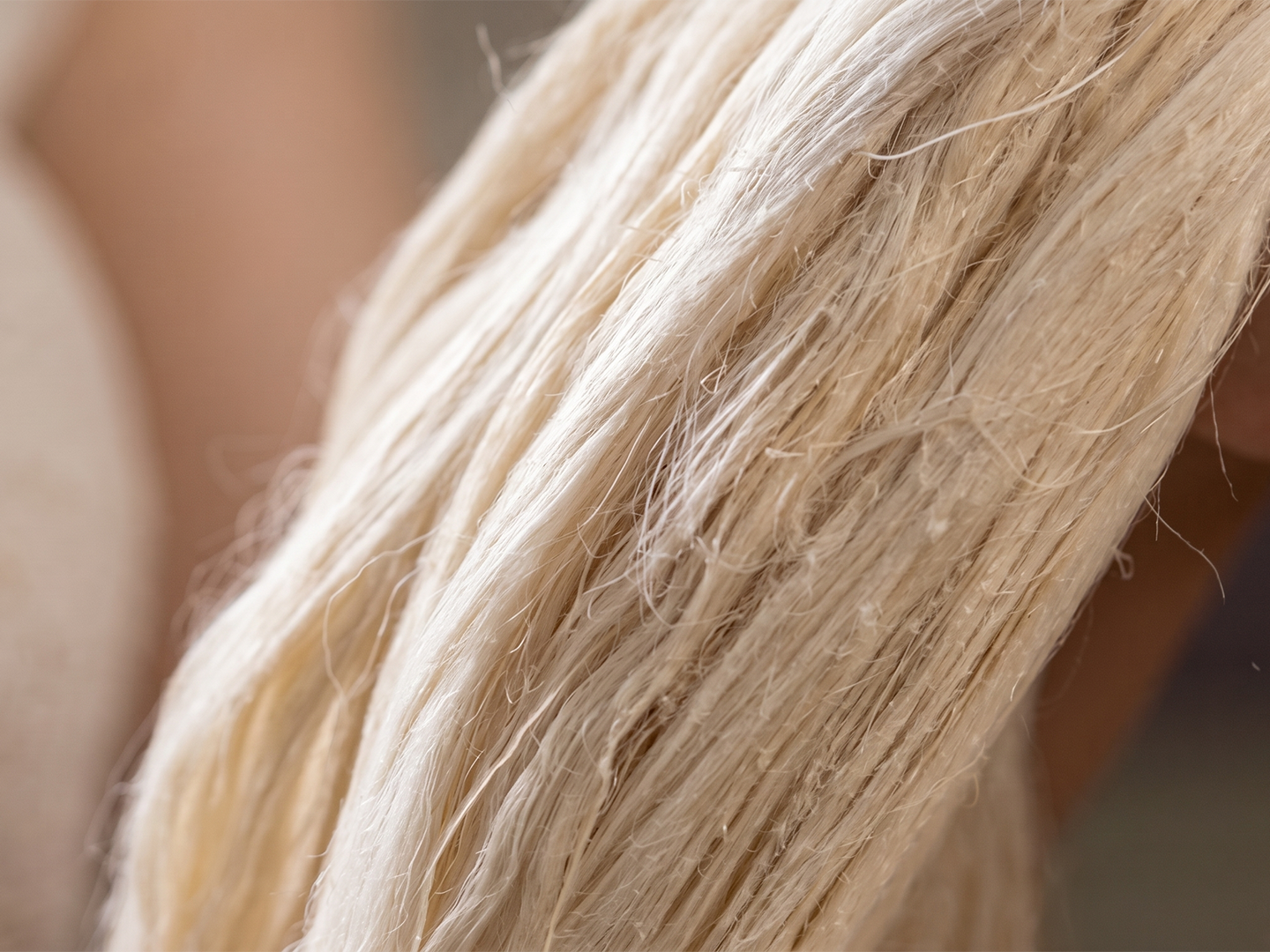
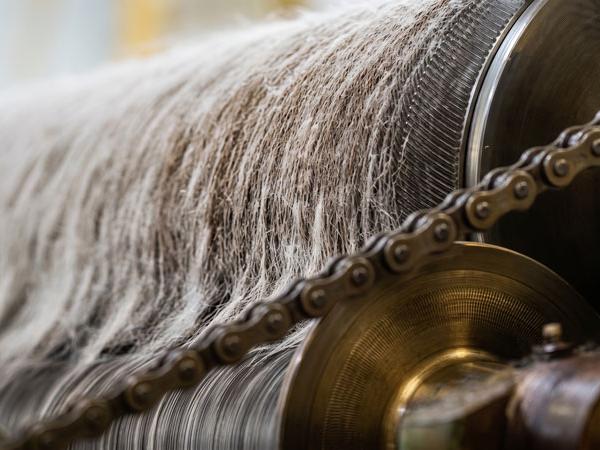
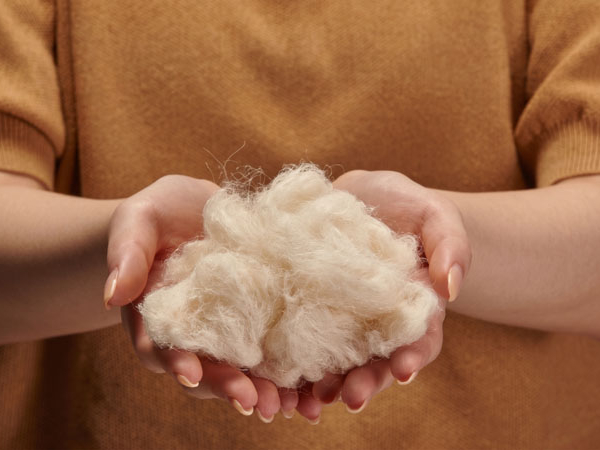
PALF™'s pineapple leaf fiber features a dry, linen-like natural handfeel that is both absorbent and breathable. Furthermore, it boasts powerful natural functions and exclusive technologies:
1 | Excellent Natural Deodorizing & Anti-bacterial Properties
Achieves a 99% deodorizing efficiency for ammonia and 88% for acetic acid.
2 | The World's Only "Three Exclusive Yarns
PALF™ has developed the world's first "organic" pineapple leaf fiber yarn, the first "stretch" pineapple fiber, and the "finest" pineapple leaf fiber globally.
Outstanding Environmental Impact
Compared to traditional fibers, PALF™ significantly reduces carbon emissions and water waste. Producing 1 kg of PALF™ fiber generates a carbon footprint of only 0.784 kg CO2e (compared to 7.3 for polyester and 1.47 for cotton) and requires only 0.2 cubic meters of water (compared to 9.7 for cotton). Agricultural waste from pineapple leaf fiber-extracted fibers is upgraded and transformed into "dried pineapple leaf residue," achieving zero waste and a circular economy. Its carbon emissions per kilogram are only 0.8593 kg CO2e, far lower than recycled plastic pellets such as RE PET and RE PP. The dry residue can be further processed into low-carbon composite materials, providing a sustainable new solution for the green industry.
Social & Economic Value
Promoting this ecosystem not only creates new job opportunities and drives industrial upgrading but also provides farmers with an estimated additional income of $5,000 to $10,000 USD per household annually. Environmentally, it is projected to avoid up to 6 million tons of global CO2 emissions each year.